Access to healthcare is increasingly moving online, with direct-to-consumer online lab testing being no exception. Offering users the convenience of conducting various medical tests from home, the market for these services is expanding rapidly. The growth of this sector reflects a wider appetite for personalized and accessible health solutions.
Understanding the mechanisms, legal considerations, and the accuracy of direct-to-consumer online lab testing is vital for consumers. This article will delve into these aspects to provide you with clarity about the process and how you can leverage these services effectively. Below, we explore the inner workings and implications of at-home lab tests.
Exploring Direct-to-Consumer Online Lab Testing
Direct-to-consumer online lab testing empowers individuals to take control of their health by facilitating easy access to various medical tests. Without the need for a doctor’s visit, these tests can be a cost-effective and convenient solution for managing personal health.
These services generally offer a wide range of testing options, from basic blood work to more specific genetic screenings. Some providers even partner with certified laboratories to ensure the tests meet professional health standards. The market has seen a steep rise, with an increasing number of people opting for this discreet and user-friendly approach.
To ensure a smooth experience, select a provider with a transparent pricing structure and clear instructions for sample collection. Direct-to-consumer online lab testing Rely on customer service support if you encounter any issues, as reliable providers often offer guidance throughout the process.
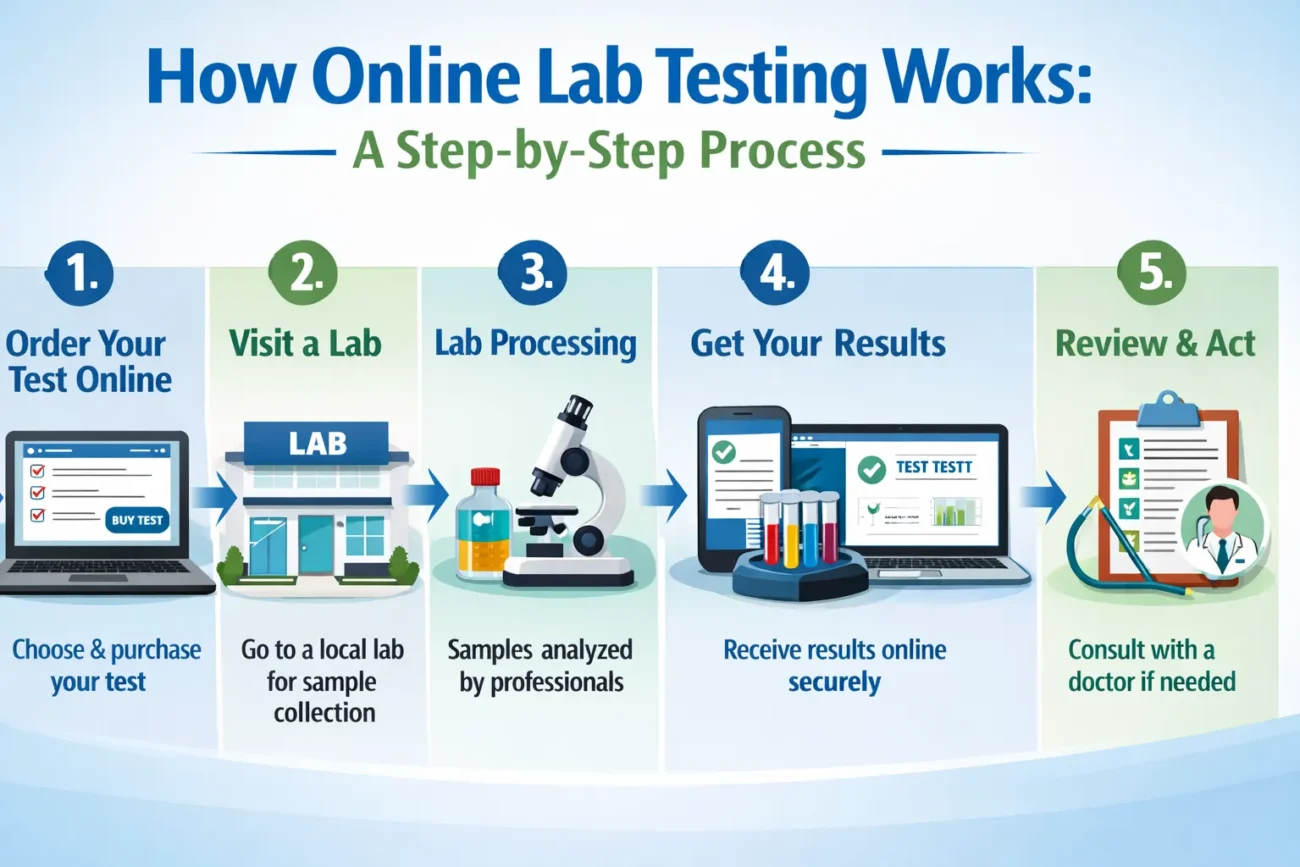
How Online Lab Testing Works: A Step-by-Step Process
Using direct-to-consumer lab testing is relatively straightforward – it starts with choosing the appropriate test online, followed by registering and purchasing it. The process makes specialized testing accessible without requiring immediate clinical intervention.
Upon purchase, the testing company sends a kit with detailed instructions for collecting a sample, whether it’s saliva, blood, or even a hair specimen. Returning the sample is usually a matter of using a prepaid envelope to mail it back to a designated laboratory. Once analyzed, the results are made available, often through a secure online platform.
To maximize the efficacy of the process, it’s key to follow the sample collection instructions precisely, as failure to do so can compromise test results. Additionally, it’s important to check the turnaround time for results so you can plan accordingly and consult with a healthcare professional if your results indicate the need.
Navigating the Legal Landscape of At-Home Lab Tests
The legal panorama of direct-to-consumer lab testing varies significantly across jurisdictions. In the United States, for instance, the regulations can differ from state to state, affecting availability and the type of tests you can conduct without a physician’s order.
Federal regulations, such as those imposed by the FDA (Food and Drug Administration), also come into play to ensure the user’s safety and the tests’ reliability. The FDA’s authorization of home-use tests is a crucial step in determining which tests are legally available to consumers and which are not.
Before purchasing any test, verify that it complies with the legal requirements of your locale. You might also want to ensure the testing company has the necessary certifications, like CLIA (Clinical Laboratory Improvement Amendments), to guarantee adherence to quality standards.
Evaluating the Accuracy and Reliability of Home Testing Kits
Evaluating the accuracy and reliability of home testing kits is paramount for making informed health decisions. Inaccuracy can lead to misdiagnosis, delayed treatment, or unnecessary anxiety; hence, understanding the testing methods and validation processes is essential.
Many providers are transparent about their accuracy rates, often listing them on their websites or product packaging. Moreover, independent studies on at-home testing kits can offer third-party validation of their claims, providing an additional layer of trust for users.
Before relying on any test results, compare the testing methods used by the company with those used in clinical settings. Furthermore, consider consulting with a healthcare professional to help interpret results correctly and advise on any further diagnostic procedures that may be necessary.
Overall, the advent of direct-to-consumer online lab testing is reshaping how individuals interact with the healthcare system. The convenience and accessibility of these services are significant, but they must be balanced with considerations of accuracy, reliability, and the legal landscape governing their use. By staying informed and adhering to recommended procedures, consumers can effectively utilize these tools for better management of their health.
