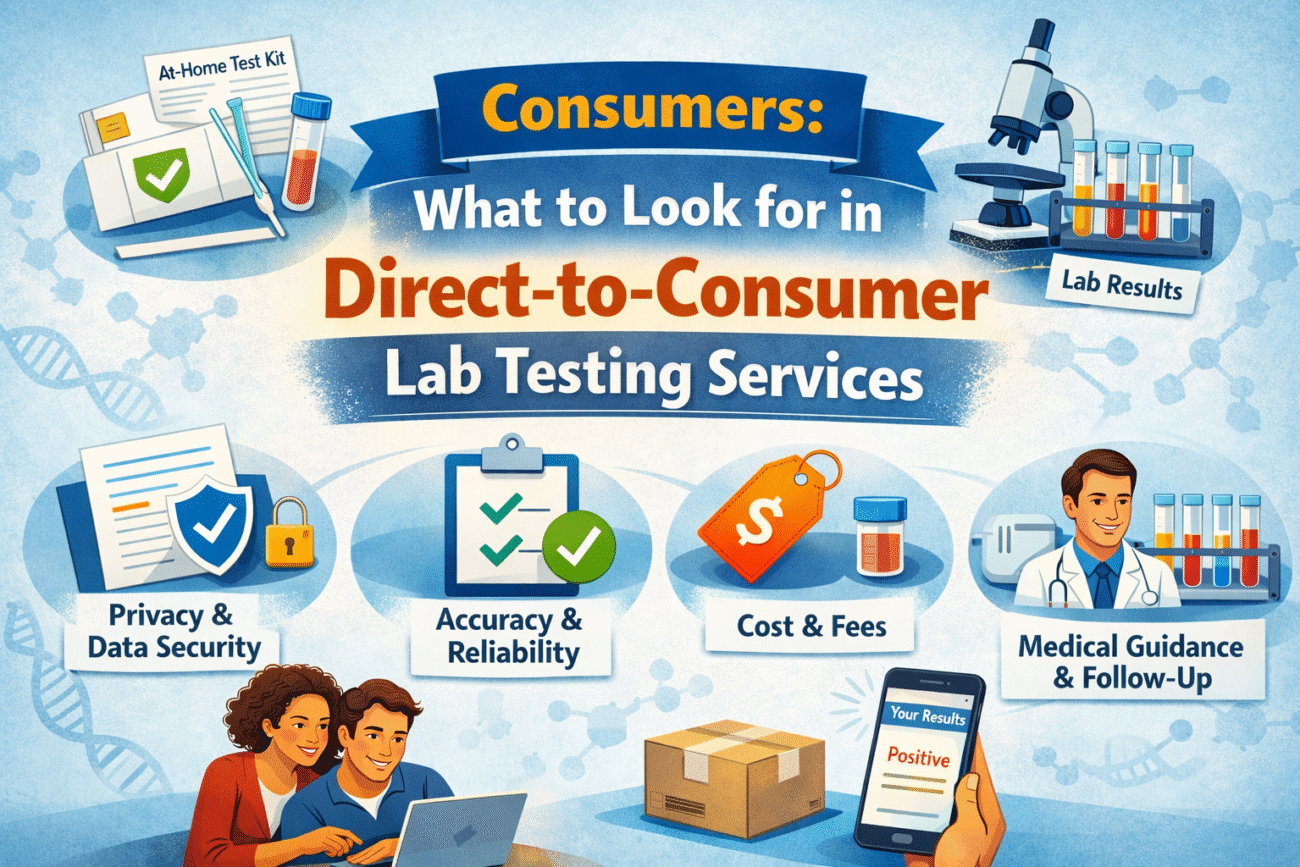
Direct-to-consumer online lab testing is revolutionizing the healthcare industry by providing a convenient and efficient alternative to traditional medical testing. With advancements in technology and an increasing demand for personalized healthcare, consumers now have the ability to order lab tests directly from the comfort of their homes.
These services offer increased accessibility to vital health information, often at a lower cost and without the necessity for a pre-existing doctor’s order. In this article, we delve into how this innovative approach works, and the benefits and considerations one must take into account when going the direct route for healthcare needs.
Exploring Direct-to-Consumer Online Lab Testing
The primary appeal of direct-to-consumer online lab testing is its removal of several traditional barriers to health information. These services empower individuals to take active control of their health by granting them direct access to a variety of diagnostic tests, which can provide early detection and monitoring of health conditions.
From measuring cholesterol levels to screening for Direct-to-consumer online lab testingSTDs, these platforms cater to a wide array of health concerns. Users can conveniently select tests based on their specific health questions, all without having to schedule a doctor’s appointment.
For those interested, actionable guidance would start with exploring the different tests available online. Consumers should research each test’s purpose, understand what kind of results to expect, and consult with healthcare professionals if necessary for interpreting the results.
How Online Lab Tests Work and Their Accessibility
Direct-to-consumer lab tests operate through a seamless online transaction. Potential patients simply choose a test from a reputable service provider, purchase it online, and then visit a local lab facility to provide a sample. With over 4,000 partner laboratories nationwide, finding a convenient location is easier than ever.
After the collection of the sample, which could be blood, urine, or saliva, it’s tested at the lab, and results are typically delivered electronically to the patient’s private account within 24 to 48 hours. This expedites the process significantly as compared to traditional routes, where patients might wait days or even weeks for feedback. The online approach also opens possibilities for those with limited access to healthcare, such as individuals in remote areas or with mobility issues.
To maximize the benefits of this service, users are advised to check the proximity and availability of partner lab locations. Additionally, evaluating service details like turnaround times and customer support may enhance the overall experience. A healthcare platform like Personalabs facilitates this by offering transparency in such criteria.
Privacy and Accuracy in Direct-to-Consumer Lab Results
Direct-to-consumer lab services are held to high standards of privacy and accuracy. Reputable providers ensure that test results are protected with stringent confidentiality protocols, often employing advanced encryption methods to secure patient information effectively.
Accuracy is another significant concern that credible online lab testing platforms address by partnering with certified laboratories. These labs are subject to regular audits and maintain rigorous quality assurance programs to ensure the validity of test results. In the wake of privacy concerns, the Health Insurance Portability and Accountability Act (HIPAA) provides additional layers of security, safeguarding personal health information.
For those seeking these services, it’s important to verify the accreditation of the labs utilized and understand the privacy policies in place. This can often be done by checking for specific certifications such as CLIA (Clinical Laboratory Improvement Amendments) or CAP (College of American Pathologists), which signal a commitment to high-quality laboratory practices.
Navigating Regulations and Safety in At-Home Lab Testing
Understanding the regulatory environment is essential when using direct-to-consumer lab tests. These services must comply with federal and state laws, but regulations can vary geographically, affecting the availability and scope of the tests. Not all tests may be available in certain states, so consumers should be aware of their local laws before purchasing.
In terms of safety, the providers usually offer clear instructions on how to provide a sample correctly, which is critical for obtaining accurate results. They also might have doctors or healthcare professionals on-call to help with any questions and potentially assist in the interpretation of test results.
It is crucial to follow all provided guidelines for sample collection and handling. Additionally, it’s beneficial to consult with a healthcare provider when making decisions based on test results, to ensure safe and informed healthcare practices. Reviewing the background and customer feedback for the service can offer insights into its reliability and user satisfaction.
Ultimately, direct-to-consumer online lab testing exemplifies the shift towards more proactive, personalized healthcare. It simplifies the process of monitoring and understanding personal health concerns, provided users address privacy, accuracy, regulatory, and safety considerations. With the right approach, this innovative healthcare model has the potential to enhance the wellbeing of many by making health data more accessible and actionable.
